LACMA Wants to Bridge Wilshire

LACMA Wants to Bridge Wilshire with Revamped Museum Design


Swiss architect Peter Zumthor has revised his “ink blot” design for the Los Angeles County Museum of Art [LACMA]. The original design received a great deal of criticism for overshadowing the La Brea Tar Pits. The Miracle Mile Residential Association objected to the earlier plan for encroaching on the tar pits and on valuable green space at Hancock Park.

The revised design avoids impinging on the tar pits by spanning Wilshire Boulevard to an anchoring pavilion located on a LACMA owned parking lot on the south side of Wilshire at Spaulding Avenue. This new design retains the original 400,000 square foot single-floor concept, which will be elevated 30-feet above street level.

Although bridging Wilshire would eliminate impact on the tar pits and help to reduce LACMA’s expansion into Hancock Park, the reconfigured plan raises a slew of new questions and concerns for the community.

New York Times article on the revised design explained: “The museum receives about a third of its $70 million annual operating budget from Los Angeles County and uses county buildings on county land. The City of Los Angeles must approve construction within its limits and air rights above Wilshire Boulevard. Mayor Garcetti and county supervisors were among the first apprised of the design change, suggesting how much this project depends on the support of politicians and governmental agencies.”

The cost of the project is the subject of speculation. LACMA Director Michael Govan has maintained that the razing of the original museum campus and the construction of the new Zumthor structure – along with an endowment fund – would cost around $650 million. Many architects and experts estimate that the price tag would be closer to $1 billion. The cost of this new design – as well as environmental, seismic, and land use issues – will be analyzed in a feasibility study to be completed in spring 2015.

The New York Times article quotes critics of the design who feel “it would be too dark” — “monolithic” or “cavelike” — for a city as sunny as Los Angeles.” It is a criticism that Zumthor feels he has addressed by creating open-air courtyards in the center of the five glass cylinders that would support the main building.

But Los Angeles Times architecture critic Christopher Hawthorne feels that the revised plan is “perhaps misguided.” Having such a large structure bridging Wilshire had Hawthorne musing on “…what will it be like to walk beneath it? Will it feel like you’re trudging under a freeway overpass? How will the underside of the building be detailed and illuminated?”

It is too early for the MMRA to take an official position on LACMA’s proposal to bridge Wilshire with a new museum. MMRA Vice President Ken Hixon was interviewed on LACMA’s revised plan by The Architect’s Newspaper: “As we’ve painfully learned the devil is in the details. We’re not the design police. We want good design. We want good architecture. But it’s all about the connective tissue.” For now, he [Hixon] points out, such issues — like the museum’s relationship to local housing, available parking, preservation, street life, and, of course, construction—have yet to be specified. An Environmental Impact Report (EIR) for the project is still far off.”


The dotted line shows the original shape of a planned LACMA building, jutting out over a tar pit. The solid line, which stretches over Wilshire Boulevard, is the revised design.

•••

What is your initial reaction to LACMA’s plan – is it a bridge to the future, a bridge over troubled water, or a bridge too far? Take our survey and let us know. We utilize SurveyMonkey for our polls; it is a secure and simple way to gather your input. Poll participants are completely anonymous and your honesty is welcomed. Just click on this link:


LACMA Bridge Over Wilshire Poll

Top and bottom graphics courtesy of Atelier Peter Zumthor & Partner; middle graphic courtesy of LACMA.

For additional information:

New York Times:
A Contemporary Design Yields to the Demands of Prehistory

Los Angeles Times:
Peter Zumthor’s L.A.-LACMA vision in need of update

The Architect’s Newspaper:
For Neighbors, Jury Still Out on Zumthor’s New LACMA Plan

The Miracle Mile Residential Association:
Tar Pits Threatened by LACMA Expansion; MMRA Approves Motion to Preserve Green Space in Hancock Park
 

Angry Residents Confront Metro Officials at Noise Meeting

Subway Construction Update

Angry Residents Confront Metro Officials at Noise Mitigation Meeting

Grinder

On May 27, Metro held a meeting of the Purple Line Extension advisory group at the Petersen Museum. On the agenda was Metro’s mitigation plan for construction noise and vibration in the Miracle Mile. Metro’s PowerPoint presentation on the topic can be seen here.

The proposed mitigations offered to the community did not pass the “common sense” test with numerous residents in attendance. Nighttime work currently underway for utility relocations at Wilshire/La Brea and Wilshire/Fairfax sparked complaints from residents of the La Brea-Hancock area and from those living on Orange Street near Fairfax.

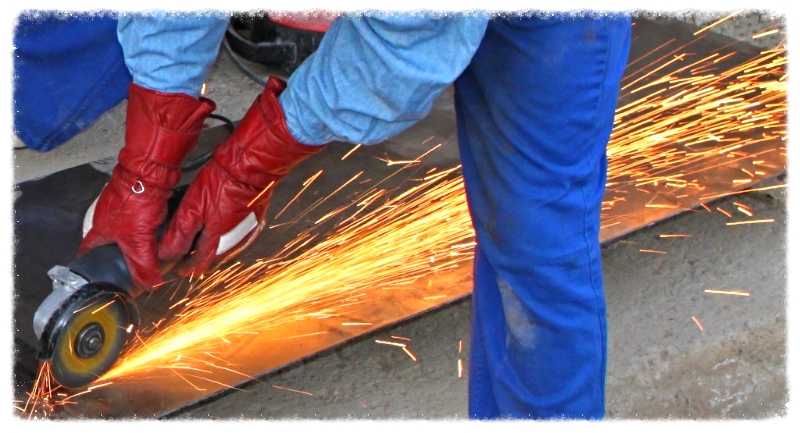
A mother of young children displayed a smartphone video she made of Metro contractors grinding welds on temporary steel plates covering a trench near La Brea and Wilshire; the late night work woke her children blocks away.

A professional recording engineer living on Orange Street argued that Metro was trying to snow residents by claiming that nighttime subway construction would not exceed nighttime ambient noise levels by more than 5 decibels. He pointed out that while that might seem to be only a slight increase in volume to the uninformed, in fact, a 5 decibel increase would nearly double the perceived nighttime ambient noise levels.

A Windsor Square resident complained that a long promised sound wall surrounding the subway construction yard at Crenshaw and Wilshire had yet to be completed – despite the fact that the utility relocation crews headquartered there began using the site many months ago.

Others inquired why nighttime utility relocation work recently detoured eastbound Wilshire traffic to 8th Street for two nights in a row; a situation that had idling and honking vehicles stacked up at the intersections of Genesee and Ogden late into the night – without traffic control officers present. Even Metro’s 720 bus was diverted to 8th, adding to the traffic noise that disturbed a number of nearby residents.

A Metro official admitted that they were having difficulty implementing practices designed to require the various utility relocation contractors to reduce nighttime noise; that it is a challenge for Metro to ensure that every construction vehicle has a low volume back-up alarm; and that, on occasion, a construction worker pulls up to the work site in the middle of the night with their car stereo blaring. This official was also unable to explain why workers were grinding welds at such a late hour, despite Metro’s often-repeated assurances that noisier work would be confined to the earlier hours of the evening.

The experiences of residents enduring the disturbances of nighttime utility relocations serves to reinforce the MMRA’s opposition to permit 24/7 activities at the Miracle Mile subway station construction sites. In their PowerPoint presentation Metro admitted that the greatest amount of noise would be generated at their Wilshire/La Brea yard, which will house a slurry recovery facility and a grout manufacturing plant – as well as serve as the location where all the dirt will be extracted from all of the tunneling from Western to La Cienega.

Once again, it was reiterated at the meeting that the contractor of the subway extension is solely responsible for mitigating noise and vibration. That the mitigations Metro touted at the meeting were only examples of mitigations that might be provided. This is why the Miracle Mile Residential Association maintains that until such time that Metro actually engages a contractor it is pointless to discuss specific noise mitigations for the subway construction sites at Fairfax and La Brea. Time and time again, the MMRA has informed Metro that it will not sign a blank check on work hours exemptions that will be cashed at the expense of the residents of the Miracle Mile.

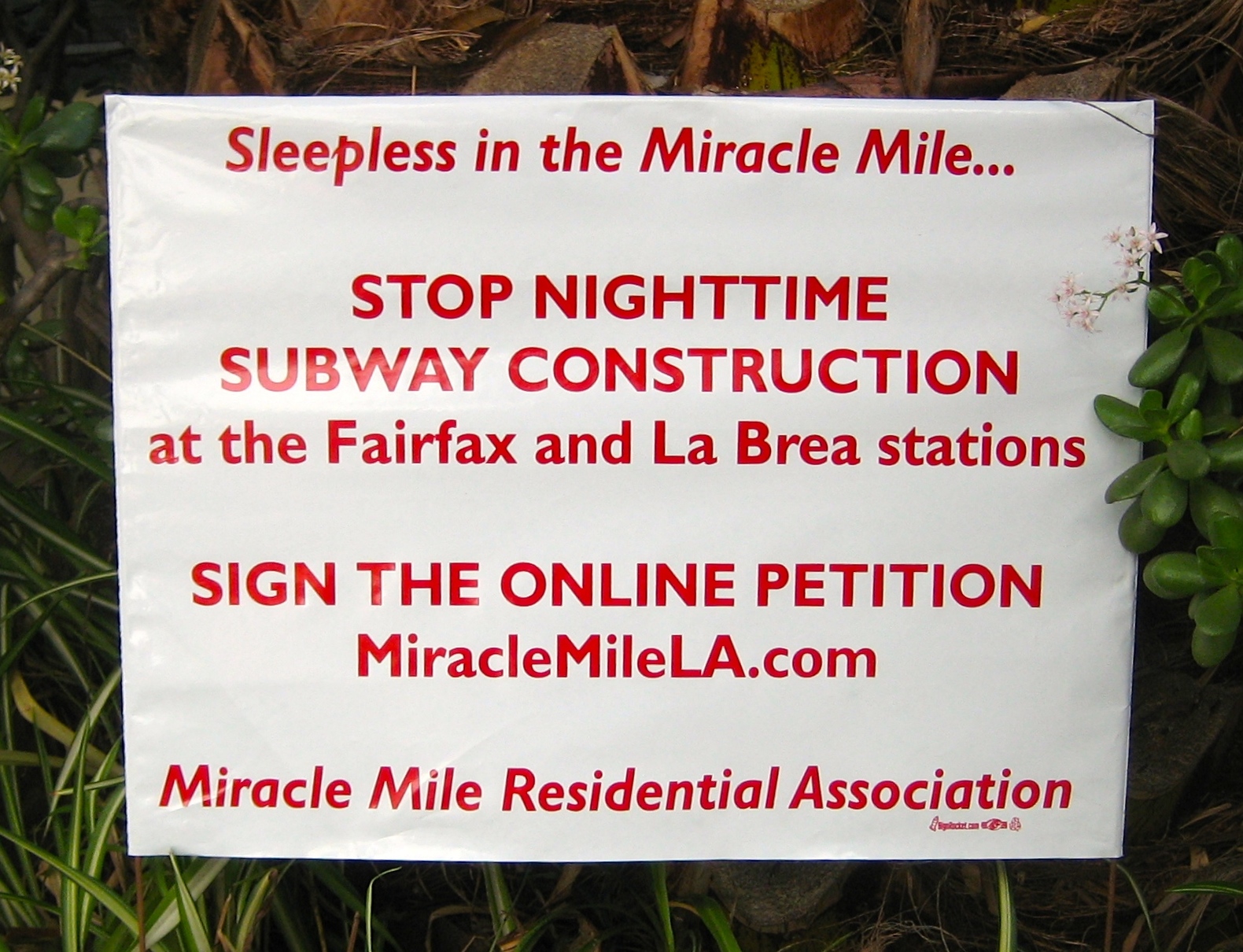
The only way to guarantee that the neighborhood has a voice in how subway construction is conducted in the Miracle Mile is to sign the online petition opposing nighttime, Sunday, and holiday construction. This petition campaign, which has been underway since last February, has already compelled Metro to ask the Los Angeles Police Commission for a “time out” in considering their application for an exemption from work hours rules at the Miracle Mile subway construction sites.

Subway Petition Lawn Sign

The MMRA’s “no blank check” stance appears to have gained traction with the Police Commission. Recently, the commission began requiring all contractors seeking work hours exemptions in the Miracle Mile to consult with the MMRA before they will consider applications for variances. This is a requirement that the commission didn’t enact before they granted permission to allow nighttime utility relocation work. Obviously, our petition campaign has provoked this policy change and the MMRA is pleased that the commission is being so responsive and respectful towards our community.

The MMRA’s petition campaign has gotten a lot of attention – and some criticism from those who mistakenly believe that we oppose the subway extension. Our objective is to balance the fundamental right of thousands of residents to enjoy the peace and quiet of their own homes with the enormous demands of a massive, decade long, multiple billion-dollar construction project. Neither side is going to get everything they want, but the MMRA will not allow the needs of the residents to be ignored no matter how important or worthy the cause.

SIGN THE ONLINE PETITION

Click here to download the printable petition

We also invite you to visit the Subway Construction page on the MMRA website. It is frequently updated with links to media coverage on our petition campaign, official correspondence, construction fact sheets and reports, YouTube videos of subway construction techniques, and other information.

Miracle Mile Spotlight: Urban Florist

Miracle Mile Spotlight: Urban Florist

 Bryan

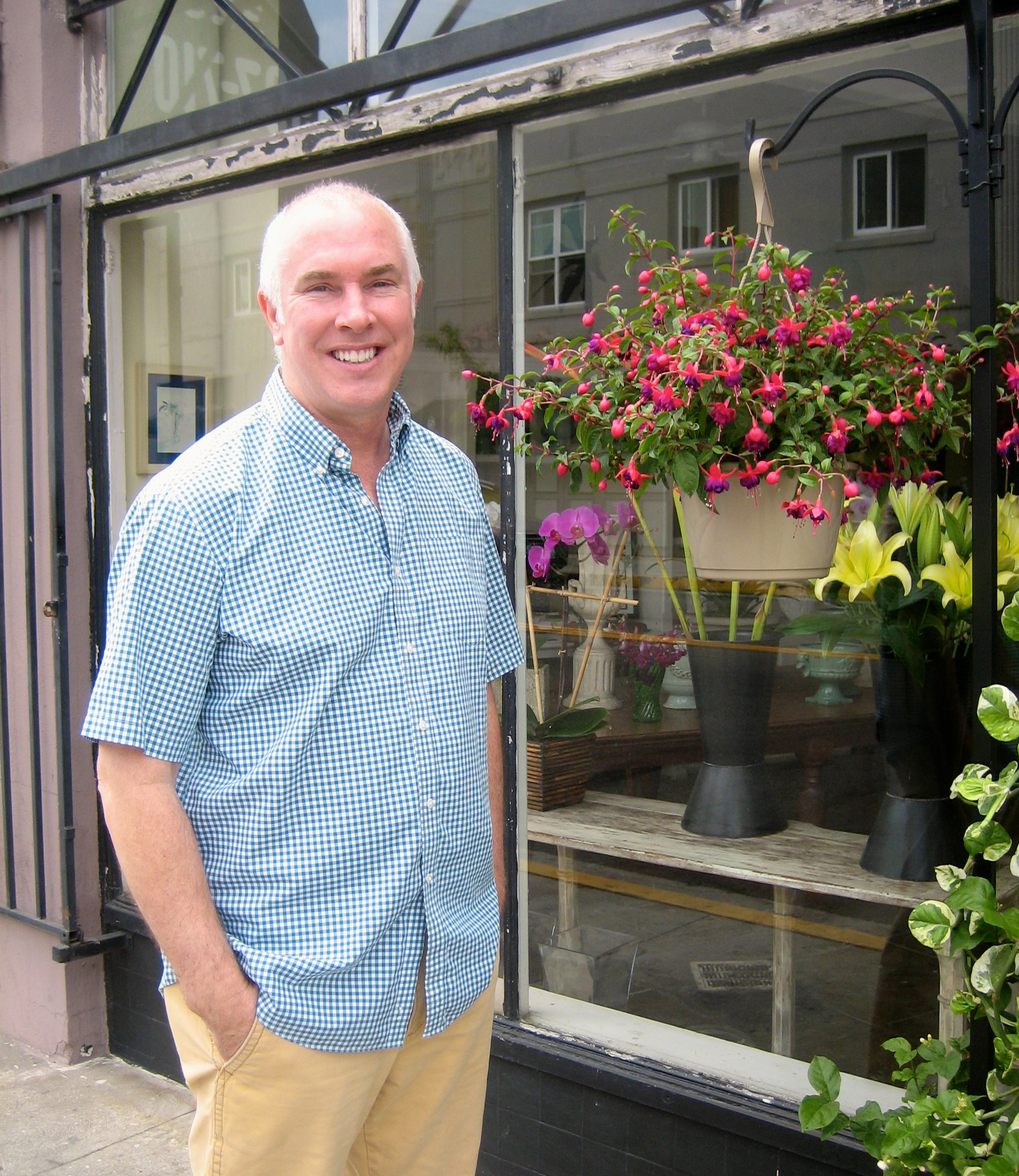
Bryan Brayton [photo above] is very much a Connecticut Yankee in the Miracle Mile. He’s an even-tempered, friendly, and contented man. He opened his florist shop on the south side of 8th Street, just a short distance from La Brea Avenue, in 1986. Urban Florist is one of the oldest small businesses in the Miracle Mile, despite a less than promising start:

“I remember the first day I opened, my family came and we pulled up to the shop and the whole front was spray painted with graffiti,” Bryan laughs at the memory. “We were from a little country town in Connecticut and my father said, ‘What kind of neighborhood is this?’”

But the Miracle Mile suited Bryan. He discovered the area when he came west on vacation and decided to stay. Flowers have always been his passion. Back east he had studied floriculture, design, and the business aspects of the trade. So, he found work at a florist shop on Doheny. After three years there, he decided he could run a shop on his own and, with a loan from his father, Urban Florist opened for business.

At the beginning he was a one man enterprise: “I would answer the phone, make the arrangement, turn on the answering machine, get in the car, go deliver it, come back, get the messages, call the customers back…” He shakes his head and chuckles.

Now he has two employees: a designer and delivery driver. Although, he temporarily increases his staff to meet the demand on Mother’s Day and Valentine Day.

One of the things Bryan enjoys most about his profession is going downtown to the flower mart three mornings a week. He typically arrives there at 5 AM, although the wholesale market opens at 2 AM. “It’s a whole other world,” he says. “It’s lucky I was born a morning person.”

The florist business has changed since he first opened his establishment. “Thirty years ago people went to florist shops to buy flowers. Now they go to Ralph’s and Trader Joe’s. There used to be all these ‘bucket shops’ with rows and rows of flowers and that’s where you went to buy your flowers. But now Costco does weddings and once that happened all the bucket shops disappeared.” Fortunately, 90% of his business comes from internet orders or over the phone.

The shop is open six days a week. “You’re almost married to the business,” he states. “I do this more than I do anything else. And I like it. I haven’t had a summer vacation in ten years or more. But I’m very lucky. I grew up with a dad who said, ‘Kids, if you’re going to do something, make sure you like it,’ because he wasn’t happy with his corporate job with General Electric. He said, ‘Be happy with what you do, because you’re going to be at work more than you’re going to be at home.’”

Local customers respond positively to the fact that the shop is not a cookie-cutter franchise design. “People walk in and say, ‘this is so quaint, what a sweet little shop.’ You can almost hear them take a sigh of relief.”

“Fortunately, for me, all these new apartments buildings going up in the Miracle Mile are going to help a lot.” He’s been contracted to provide weekly flower arrangements for the leasing office and community spaces in the new mixed-use apartment building on the southeast corner of Wilshire and La Brea. “And, of course, Park La Brea has always been good for me. We do a lot of deliveries there.”

At this point in the interview, a delivery of small potted succulents was made, which prompted Bryan to remark: “At the end of the school year the moms order thank you gifts for their kid’s teachers. It’s another great part of being a little neighborhood florist: I get to see the circle of life. I’m on the second generation now. I’ve done kid’s proms, weddings, and now they’re having babies. I love it. It makes me feel small town. How wonderful to have people walk by every day and stick their head in the door and say, ‘Good morning, Bryan.’”

But the flip side of being in business of celebration is accommodating those who are in mourning. “I can’t tell you how many folks who were my original customers and their families will call me to say that they have passed away. It can be very upsetting. I’ve known them for years and all of a sudden they’re gone. I’m very attached to this neighborhood, there are some great people here.”

Urban Florist
5310 W. 8th Street
Los Angeles, CA 90036
Hours:
Monday–Friday: 9 AM–5 PM
Saturday: 9 AM–2PM
Closed Sunday
Phone: 323-937-7100
Fax: 323-937-0774
Email: UrbanFlorist@sbcglobal.net
Website: urbanflorist.net

The MMRA newsletter does not solicit or accept advertisements. Our support of local businesses is a matter of principle ­– for which we receive no financial compensation or consideration of any kind.

Miracle Mile Spotlight: Miracle Mile Toys & Games

[From the April 2014 edition of the Miracle Mile Residential Association Newsletter.]

Miracle Mile Spotlight:

Miracle Mile Toys & Games

As a child Christine Johnson must have been a very skilled curator of toys and games, because her shop contains a fantastic collection of quality merchandise. It is obvious that every item has been thoughtfully selected. Her eye for detail is readily apparent, from the custom-made shelves to the second-floor play area. Christine is a student of fun with a keen insight into children and what entertains them (and adults, too…).

Christine is a bright and personable woman with a very focused and pragmatic approach to business and community. She grew up in Baltimore, Maryland and moved to Massachusetts when she was 13. A graduate of Wellesley College, she married an attorney who had family and a twin brother living in Southern California.  So, after college she and her husband came west and, in time, settled into a home on South Ridgeley Avenue in the Miracle Mile. They sold the house last summer and now live in an apartment on Wilshire in Koreatown. “Which I like a lot, it’s bigger,” says Christine – space is imperative with three children under the age of 10.

Christine was drawn to brick-and-mortar retailing because: “ I like the idea of touching a product and selling a real product to a real person. And I think it’s important for the community to have those kinds of businesses here, because that’s what makes a community: interaction.”

Although the store has a website, she doesn’t sell online. “You don’t get the same community feeling if you don’t go into a store once in awhile – especially with toys. When you’re online buying toys you’re seeing an abstract of what everybody likes, you’re going to see the things that everybody buys. You can sort by most popular, best reviewed, but you’re not necessarily going to find little gems. Or something that might have gotten slammed in a couple of reviews but happens be a really fine product.”

Although Christine has placed ads in local papers she has found that the best advertising is word of mouth from moms and dads. “We do a lot on Facebook and Instagram has been really good for us. I post pictures of what’s happening in the store or a cute new product and people find it by the hash-tag.”

When asked about the impact of the impending subway construction on small businesses along Wilshire, Christine was blunt: “That is going to be chaos. It’s going to be dirty, noisy, messy. They [Metro] can definitely communicate better with businesses and residents. They’re not doing well with that at all. Nobody really knows what’s happening or when. I can’t plan my business if they’re not giving me any more details. But I came into it knowing all this. I opened the business knowing that Metro was coming. That’s why I picked this spot. And I knew it was going to be hell – for nine years, potentially. And I’ve never been naïve about the challenges.”

She commented that subway construction will diminish already limited parking for merchants and restaurants in the Miracle Mile. Her store has no off-street parking and is dependent on the metered parking on Wilshire. “I’m sure it’s a barrier for some people, I’m sure I’m missing people who maybe found me online, then drive through the area and decide not to stop. But most of my customers walk here or live within a few blocks. And I’m able to sustain the business with that level of locality. I think the business will be able to continue based on my ‘local love’ – fingers crossed.”

Christine [photo, right] is optimistic that others like her will take the plunge and start new businesses in the Miracle Mile. “I have customers who come in – and it’s inspiring, I guess, for them to see a new business like this. They have their own dreams about their own business and they ask me all kinds of questions: how did you do it, how do you manage it, how do you do it with three kids? Starting a business for some people seems absolutely daunting. It is emotionally daunting. But if you can get past the emotional aspect of it, it’s a nine-to-five job –okay, maybe it’s eight to midnight.”

By the way, Christine doesn’t sell toy guns – but she remarked, “I finally caved and got water guns, but they’re behind the register. You have to ask for them,” she laughed.


Miracle Mile Toys & Games
5363 Wilshire Blvd., Los Angeles, CA 90036
310-651-1414
Hours: 10 AM–6 PM, Every Day
www.miraclemiletoys.com
Facebook

[Note: The MMRA newsletter does not solicit or accept advertisements. Our support of local businesses is a matter of principle – for which we receive no financial compensation or consideration of any kind.]

Miracle Mile Spotlight: Rascal

[From the May 2014 edition of the Miracle Mile Residential Association Newsletter:]

Miracle Mile Spotlight:

Rascal

For many years one restaurant after another cycled through the single story building on the southwest corner of La Brea and 8th Street. The location seemed jinxed – but not to Miracle Mile residents Sandy and Rebecca Clark [photo below]. They saw good bones: exposed brick interior walls, large windows, and an ideal spot for a neighborhood restaurant.

So in 2011 they decided to test their intuition and years of experience in the restaurant business and they opened Rascal. The restaurant almost instantly became a local favorite known for its welcoming atmosphere and great food.

Which begs the question: what is the secret in creating a successful neighborhood joint?

“A huge part of that is staff,” answers Rebecca. “Our philosophy is that we hire for personalities more than experience. We want interesting people, people that travel and are educated – and have all those things going for them.”

“We have no attitude,” adds Sandy, who was the wine buyer for the Chaya restaurants for many years. “Here you can sit where you want, if you don’t like your food you can send it back, here’s a top off. It’s like hosting a party at your home, basically.”

“We really wanted to get to know our neighbors and have a presence in the neighborhood,” Rebecca offers. “Once a month we like to do a fundraising night. We prefer it to be for a local charity. It’s great for us because it brings us new customers and then we give 20 percent of the proceeds to that charity.”

Charity is close to Rebecca’s heart, her “day job” for almost 12 years is with Heart of Los Angeles, a non-profit community center that provides underserved youth with exceptional programs in academics, arts and athletics aimed at getting kids into college.

Sandy runs the restaurant and Rebecca handles public relations and the books. But they both agree that being in the restaurant business is as much a lifestyle as it is an occupation – particularly at an establishment that’s open seven nights a week. One of their New Year’s resolutions is to take a vacation this year, something they haven’t done since they opened.

They are optimistic that they might be able to get out of town since the arrival of Chef Andy Lee [photo right], who joined them last October. His culinary skills and knack for organization are key ingredients in the restaurant’s continuing success. Chef Lee is enthusiastic about the advantages of creating dishes for a 50-seat establishment. “For me it’s my dream job,” he says. “I get to touch everything, see everything, and the feedback from the customer is immediate.”

When you have a lot of regulars there are favorite dishes that they always expect – at Rascal it’s the fried chicken, hamburgers, and Brussels sprouts. “One night Andy made the chicken nuggets into a sandwich and so we ran it as a little special,” Rebecca explains. “Then we tried to take it off the menu and our regulars were like ‘no way’ and we had to keep it.”

Their compact kitchen limits the number of items on the menu. “Our magical number right now is eight appetizers and eight entrees,” says Chef Lee. “We change our menu every three or so weeks. It’s a subtle flow. We’re all about what we can do to make a dish better. So, although there are certain familiar dishes, they are always evolving.”

Sandy and Rebecca recently added three outdoor tables and just received approval of a full liquor license. They have always served wine and craft beers and now will be able to offer customers a cocktail with their meal. “But we do not want a rowdy liquor crowd,” Sandy states. He takes pride in their house wines. “There’s a real art to buying inexpensive wines that taste great that you don’t have to charge so much for. At most restaurants the wine buyers are too lazy to do that.”

Sunday “Game Nights” have become a fun attraction for families – you can dine while playing your favorite board games and card games. “That is what makes this so neighborhood,” remarked Chef Lee. “You’re not going to see that at other big restaurants.”

They offer valet parking but say that almost 70 percent of the customers walk to the restaurant, which is further evidence of Rascal’s genuine connection to the neighborhood.

“The funny thing, too, is that I think that L.A. being a city of transplants, so many people walk in here and say ‘This is just like my favorite place in Boston or Chicago or Seattle.’ It just has that feeling of familiarity,” Rebecca says.

“It’s nice to work where you live and live where you work,” Sandy concluded.

Maybe that’s the real secret to a great neighborhood joint: having proprietors like Rebecca and Sandy Clark.

Rascal
801 South La Brea Ave.
(323) 933-3229
Hours:
5 PM-11 PM Monday-Saturday
5 PM-10PM Sunday
rascalla.com

Photo credits: Chef Andy Lee, courtesy of ladinenclub.com; other images courtesy of Rascal.

The MMRA newsletter does not solicit or accept advertisements. Our support of local businesses is a matter of principle ­– for which we receive no financial compensation or consideration of any kind.

2003 vs. 2011 Infrastructure Report Card

“Shut up. We are busy.”
A message from James O’Sullivan, MMRA President
On April 14, the day it hit the iceberg, the Titanic received seven heavy ice warnings, including one from the Californian less than an hour before the fateful collision. The message said: “We are stopped and surrounded by ice.” Titanic sent back a message that said, “Shut up. We are busy.” – Seth Borenstein

Over 90 percent of an iceberg is underwater. It is a simple but sometimes treacherous fact. Deteriorating infrastructure is Los Angele’s iceberg. Every day we deal with potholed streets that flatten tires and buckled sidewalks that break arms. Trees go untrimmed, alleys fill with refuse, ageing water mains fracture, and two-thirds of our streets go without a weekly cleaning. But that is only what we see: the tip of the proverbial iceberg.

What many people are also not aware of – unless they have direct dealings with City Hall – is the continual diminishment of municipal services across a broad spectrum. Early this year the residents of the 700 block of South Genesee Avenue in the Miracle Mile applied to the City to limit parking on their block to permit holders only. This block has older apartment buildings with little or no off-street parking and its proximity to a popular gym and Museum Row had driven the residents to the breaking point. They obtained the necessary majority of signatures, had their petition vetted, and celebrated when it was approved. Parking relief had finally arrived. But then they learned that it would take eight to nine months for eight new parking signs to be installed. Eight to nine months?

The reason for the delay: the City’s street sign department has been so decimated by budget cuts that they are down to a skeleton crew and buried with backorders.

Is this a trivial example of how city services are falling ever further behind? It probably is to the people who wait months to have a burned out street lamp replaced or years for curb-cuts at their intersection.

But from the trivial to the profound, every City department is failing to provide adequate service to the residents and businesses of Los Angeles. Yet, like the Titanic speeding across the North Atlantic, the City ignores basic services while it rushes to approve new developments – one after another – without regard to the impact these projects will have on our crumbling infrastructure.

In a 2009 audit of the City’s Capital Improvement Program then City Controller Laura Chick concluded: “…that the City of Los Angeles does not have a citywide capital improvement program and capital budgeting process to adequately identify capital and major equipment needs, plan for solutions and necessary improvements, fund and approve its capital projects.”

In other words, the City is sailing without a chart – and has been for a long time.

Until recently it has been impossible to know the true condition of our infrastructure, but a recent Public Records Act request by the organizationFix the City yielded a never-before-seen 2010/2011 “Infrastructure Report Card” that appears to have never been released.

The report card looks like this:

But this 2010/2011 report card only tells part of the story about our failing infrastructure. When compared with a 2003 “Infrastructure Report Card”prepared for then Mayor Hahn the results are devastating. It not only shows that many of these grades have gone down since 2003, but it also reveals that much of the money required to fix our infrastructure was neither secured nor spent at that time.  Now in 2014 the amounts needed to repair our infrastructure have almost doubled and the cupboards are bare.

Also, several critical aspects of the City’s infrastructure covered in 2003 report card were not even mentioned in 2010/2011 report card: water, power systems, telecommunications, airports, public buildings, parks and the Port of Los Angeles. It’s as if the City wishes to “drop a course” to avoid a failing grade. But these items are conspicuous in their absence.

So, what do these report cards say about the City? A quote from the recently released 2020 Commission report says it best: “Los Angeles is sinking into a future in which it no longer can provide the public services to which our people’s taxes entitle them and where the promises made to public employees about a decent and secure retirement simply cannot be kept. City revenues are in long-term stagnation and expenses are climbing. Year by year, our City – which once was a beacon of innovation and opportunity to the world – is becoming less livable.”And what was City Hall’s reply to the 2020 Commission? Basically, their response has been: “Shut up. We are busy.”

Mansionization–RFA–HPOZ Survey

Mansionization–RFA–HPOZ Survey

Click on map to enlarge.

The mandate of the MMRA board of directors is to represent the will of our residents. Good communication between the board and the residents is critical to this mission. Although informal and far from scientifically accurate, surveys help the board gauge the general opinions and attitudes of the community. 

Topics like mansionization, Reduced Floor Area Districts, and Historic Protection Overlay Zones can provoke strong and often heated responses. Even though we are very early in the exploratory stages of what our response should be – or should not be – to mansionization, we felt that we should emphasize that this will be a two-way conversation between the board and the residents from the start.

So, please, take a few minutes to complete this survey – there are only 17 questions and you will also have the opportunity to make general comments. All MMRA residents, property owners and renters, may participate [see map above to determine whether you live or own property within our boundaries].

We utilize SurveyMonkey for our polls; it is a secure and simple way to gather your input. Poll participants are completly anonymous and your honesty is welcomed. Just click on this link:

Mansionization-RFA-HPOZ Survey


Mansionization Threatens Miracle Mile

f3b901f9-030f-456e-be6f-16a9229eaa10

Mansionization Threatens Miracle Mile

MMRA Board Creates an HPOZ Committee
And Considers Other Options

Mansionization is very much in the news these days [see links below]. The issue is especially relevant to the residents of South Ridgeley Drive where a circa-1920s home was sold and then quickly demolished to make way for construction of what appears to be a much larger residence that will overwhelm the existing houses.

In a recent front page article the Los Angeles Times reported that “…as the housing market rebounds and construction picks up, many homeowners complain that “mansionization” has revved up — reigniting long-standing policy battles and sometimes bitter fence fights over the face and feel of L.A.’s neighborhoods.”

The Baseline Mansionization Ordinance [BMO] passed in 2008 was aimed at stopping “super-sized” home construction in L.A. But developers have been able to easily exploit loopholes in the ordinance by manipulating bonuses for environmentally friendly construction techniques or excluding up to 400 square feet for a garage from the overall limits on floor space. These and other “tricks of the trade” have nullified the purpose of the ordinance: to preserve the character and protect the scale of well-established residential neighborhoods.

Last year the Beverly Grove community, which has been a battleground over McMansions, succeeded in creating a “Restricted Floor Area District” [RFA] to plug the loopholes in the BMO. An RFA limits the maximum base floor area ratio and related bonuses for new construction and remodeling of existing homes.

Since the passage of the BMO in 2008, 58 out of 690 single-family homes in the Beverly Grove area have either been demolished or remodeled in a manner that was out of scale and character with the neighborhood [photo right]. Fifth District Councilman Paul Kortez, in a letter supporting the RFA, wrote: “A large bulky home towering over an adjacent modest historic home can result in a loss of sunlight and privacy as well as a reduction in appeal and property values.”

The Miracle Mile Residential Association [MMRA] believes that the simplest and fastest remedy to this problem is for the city council to eliminate the obvious loopholes in the existing Baseline Mansionization Ordinance. But well-heeled real estate investors and developers have a vested interest in thwarting or delaying such action. So far, they seem to have the upper hand and communities like the Miracle Mile are left without a ready defense against mansionization.

This is why the MMRA is evaluating the only other options available: the creation of either a RFA or a Historic Protection Overlay District [HPOZ].  Both of these options have their advantages and disadvantages and neither would offer a quick solution to this problem.

At the May 2, 2014 MMRA board of directors meeting a motion was unanimously approved to create a committee to explore HPOZ protection for the Miracle Mile. The committee was instructed to do fact-finding, seek the input of residents and property owners, and report on how a HPOZ might be designed and implemented.

The MMRA board was briefed by Michelle Levy, head of the HPOZ unit at the Los Angeles Department of Planning, on what is involved with creating an HPOZ and what protections it provides to a community. The city has 30 HPOZ zones with an additional 16 neighborhoods at different points in the process of seeking HPOZ status.

Unfortunately, because of staffing cutbacks to the Planning Department, approval of new HPOZs are in limbo. Just this week the Los Angeles Timeseditorialized that because of mansionization the city council “needs to fund these positions or run the risk that some of those aspiring historic districts won’t have enough historic properties left to qualify.”

Levy explained that the first step in becoming a historic district is to establish the boundaries of the proposed area. An HPOZ adds historic development standards strictly dealing with design to the existing zoning regulations, whether it be a single family, multiple family, or commercial zone. These standards require that any alteration to the façade of a historic property would be subject to review for conformance with the adopted preservation plan. The preservation plan is developed by the community to establish the guidelines for how properties within its boundaries can be altered and/or developed. The overall goal of an HPOZ is to preserve historic buildings and prevent mansionization and other new development that is incompatible with the surrounding properties.

Levy stressed that outreach to property owners is critical to establish whether or not there is consensus to create an HPOZ. Widespread support will be needed as the community usually funds the expense of having a block-by-block historic field survey performed to identify “contributing” and “non-contributing” structures, which determines whether a particular building is subject to the full weight of the preservation plan or not. The historic survey is a very important component and informs the foundation of the historic district. The City is looking for 60 to 75 percent “contributing” structures [intact historical properties] within the HPOZ.

By its very nature the creation and implementation of an HPOZ is an exacting and complicated process. We encourage residents to review the links below to educate themselves on the subject.

Obviously, mansionization is a controversial matter – as is creating either an RFA or HPOZ to combat it. The MMRA is a consensus-based organization. We are committed to effective outreach whether it be via this newsletter, our website, door-to-door canvassing, or informal surveys [see below]. We welcome your input and participation in the discussion regarding the pros and cons of implementing a RFA or HPOZ in the Miracle Mile. You can contact the Executive Committee or HPOZ Committee at:

info@MiracleMileLA.com.

Photo credits: Top, Adrian Scott Fine, courtesy of the Los Angeles Conservancy; middle: Aaron Blevins, courtesy of the Park La Brea News/Beverly Press; bottom: courtesy of Office of Historic Resources, City of Los Angeles.

News media links:

Los Angeles Times: Return of ‘mansionization’ has some L.A. homeowners grumbling

Los Angeles Times: L.A. is bogged down in trying to save its historic structures

Los Angeles Times: What McMansions say about Americans

Baseline Mansionization Ordinance links:

Los Angeles Department of City Planning: Baseline Mansionization Ordinance Summary

CityWatchLA.com: L.A. Mansionization: the More You Stir It, the More It Stinks

CityWatchLA.com: It’s Time to Fix the Citywide Ordinance Intended to Stop the Mansionization in L.A.

Reduced Floor Area District links:

Beverly Grove Reduced Floor Area District Ordinance

CityWatchLA.com: Koretz Gets Formal Request to End North Beverly Grove Mansionization

CityWatchLA.com: One More L.A. Neighborhood On the Verge of Being Saved from Mansionization

Historical Protection Overlay Zone links:

Los Angeles Department of City Planning: HPOZ Brochure and Historic Rehabilitation Guide

PreserveLA.com: FAQ: Los Angeles HPOZs


Why Can’t the Miracle Mile Be More Like Beverly or 3rd Street?

Why Can’t the Miracle Mile Be More Like
Beverly or 3rd Street…or Melrose
or La Brea?

When the Miracle Mile Residential Association 2013 Annual Survey asked “Would you like to see a broader variety of retailers along Wilshire Boulevard?” over 80% of the respondents answered yes. New mixed-use development has brought additional businesses, particularly chain restaurants, to the Miracle Mile – but residents often wonder why we don’t have the number and assortment of independently owned retailers and restaurants found on Beverly or 3rd Street…or Melrose or La Brea? There are many answers why:
 
Unlike those popular shopping and dining areas, there are no height limits on development along Wilshire Boulevard in the Miracle Mile. Hence, older storefronts here are more vulnerable to being razed to make way for new and higher developments. Dozens of these older storefronts have been demolished in the past 20 years to erect new buildings – and more face impending demolition for the construction of the subway portals at La Brea and Fairfax: the southern blocks of Wilshire between La Brea and Detroit and between Ogden and Orange Grove will be torn down this summer, displacing Albertson’s Wedding Chapel, the Yamaha Music School, the A+D Architecture and Design Museum, and other galleries and small businesses.
 
These sorts of older buildings are best suited to starting a new shop or restaurant. They offer smaller and more affordable spaces. The commercial spaces in mixed-use buildings are typically too large and too expensive for start-up businesses and new entrepreneurs. The landlords of some mixed-use buildings demand “shopping mall” type leases that extract a percentage of gross sales on top of the monthly rent payment. Also, newer buildings prefer dealing with large corporations and national franchises with triple-A credit ratings.
 
This is why tenants of the new buildings tend to be a matter of round up the usual suspects: such as Chipotle, Subway, Starbucks, Five Guys, and bank branches. Not that these businesses aren’t needed and welcomed in the Miracle Mile, but when the annual survey asked what kind of retail outlets residents would like to have in the area they replied: book stores, clothing and shoe boutiques, gourmet food and wine shops, art galleries, card and gift stores, and other specialty retailers.
 
An obstacle to attracting these types of businesses is that critical mass is difficult to achieve along many blocks of Wilshire in the Miracle Mile. Small retailers congregate on streets like Beverly and 3rd Street because the large concentration of such businesses attract customers – and foot traffic is critical to the success of these enterprises. Customers will check out new retailers on their way to another known store. And the number of restaurants, pubs, and independent coffee houses keep the streets lively well into the evening.
 
Street life and foot traffic has improved along Wilshire in the past few years. But many restaurants in the Miracle Mile are completely dependent on the lunch trade for their survival. Customer traffic significantly diminishes on weekdays after 5 PM – and is nearly nonexistent on certain blocks of Wilshire during the weekends.
 
Despite these challenges, throughout the Miracle Mile there are unique and independent businesses, retailers, and eateries operated by talented and hard-working owners. The best way to preserve the shopping and dining diversity we do have – and to encourage new businesses to locate here – is for all of us to support and patronize Miracle Mile businesses.
 
The Miracle Mile Residential Association will continue to encourage developers and property owners to think outside the box when seeking retail tenants ­– and this newsletter will do its part, beginning with this issue, to shine a “Miracle Mile Spotlight” on local businesses and restaurants. Please send in your favorites [newsletter@MiracleMileLA.com] and we will feature them in future issues.
 
– This article first appeared in the April 2014 edition of the MMRA newsletter.

Miracle Mile Bike News:

CicLAvia Returns to the Miracle Mile
Sunday • April 6th

On Sunday, April 6th, CicLAvia repeats its Iconic Wilshire Boulevard route from downtown to the Miracle Mile. The popular car-free event allows people to explore the sights along Wilshire by foot, bike, or any other non-motorized means. This will be the last CicLAvia to visit the Miracle Mile until the completion of major street level construction of the Purple Line Subway extension, which is scheduled to begin work later this year.

Once again Fairfax Avenue will serve as the western terminus of the route from One Wilshire Boulevard in downtown. Wilshire between Curson Avenue and Fairfax will be a pedestrian zone featuring activities sponsored by the cultural institutions along Museum Row. The event runs from 9 AM to 4 PM.

Click on map to enlarge.

Last year’s CicLAvia attracted thousands of cyclists and pedestrians to the area and introduced many to the museums and the historic art deco architecture of the Miracle Mile. Here’s a link to a terrific walking guide of Wilshire Boulevard architecture prepared for last year’s event by Catherine Gudis.

Additional information:

CicLAvia.org: Iconic Wilshire Boulevard – 4/6/24

LAist.com: CicLAvia’s Wilshire Takeover Will Be The Last For a Few Years

Councilman LaBonge Delays
Proposed 6th St. Bike Lanes

In January 2014 the Los Angeles Department of Transportation [LADOT] announced Phase 2 of their ongoing efforts to add new bike lanes throughout the city. LADOT will begin traffic and safety assessments on these proposed bike lanes and will then hold public hearings to gather community feedback on the routes.

The city approved the Los Angeles Bicycle Master Plan in 2010. LADOT will evaluate approximately 40 miles of potential new bike lanes each year. The goal is to install 1,600 miles of new bike lanes over the next 30 years.

Two new bike lanes on the Phase 2 list would directly impact the Miracle Mile: San Vicente Boulevard from Venice to Wilshire [2.3 miles] and 6th Street between La Brea and Fairfax Avenues [1 mile]. The San Vicente Boulevard bike lanes would not require the removal of any parking spaces or traffic lanes and have generated little opposition or controversy – but the 6th Street bike lanes are a different story.

Plans for 6th Street involve a “road diet” where one lane of traffic in each direction would be removed and street parking would be eliminated in order to create bike lanes. The Miracle Mile Residential Association [MMRA] has staunchly opposed any plan that would remove traffic lanes or parking on 6th Street and further exacerbate congestion in the area. The MMRA issued a statement in March 2013 detailing our position on 6th Street bike lanes [click here to read].

Councilman Tom LaBonge recently informed the Park La Brea News/Beverly Press that he would not support bike lanes on 6th Street until the Wilshire Bus Rapid Transit project is completed next spring. He then went on to state that he thought it would be better to delay the bike lanes until the “heavy construction” is completed for the Purple Line Extension, which would be many years in the future – well after LaBonge is termed out of office.

“Right now, we have been closing the boulevard [Wilshire Blvd.] for a number of nights and there has to be alternative routes,” LaBonge was quoted in the Park La Brea News/Beverly Press. “I want to look at the whole picture. Right now, I want to make sure it’s safe for everybody.”

Increased congestion generated by the Wilshire Bus Rapid Transit project – which will create bus-only curb lanes during rush hour periods ­– and by a decade of subway construction are principal reasons why the MMRA opposes the 6th Street bike lanes. The MMRA is pleased that Councilman LaBonge agrees that this is not the time to consider a radical restriction of such a key east-west route.

Additional information:

LADOT Bike Blog: LADOT announces Priority 2 list of planned bikeways

Park La Brea News/Beverly Press: Local streets identified as possible bike lane sites

Mid City West Community Council
Makes Recommendation
 for a New
North/South Bike Lane through
the Miracle Mile

 Mid City West Community Council [MCWCC] has submitted recommendations to the Los Angeles Department of Transportation [LADOT] for two new bike lanes. Their proposal selects Rosewood Avenue as an east/west route and Cochran Avenue, Alta Vista Boulevard, and Formosa Avenue as a north/south route [see map below].

LEGEND
Red: Existing bike lanes on Burton Way and Hauser Boulevard
Yellow: Existing and future bike route on 4th Street
Blue: Proposed Rosewood and Cochran/Alta Vista/Formosa bike route

These proposed routes for “Bike Friendly Streets” will be evaluated by LADOT for possible inclusion in Phase 5 bike lane projects scheduled for 2017.

The Miracle Mile Residential Association [MMRA] has not yet taken a position on these recommendations. Although, the MMRA did oppose original plans to use Hauser and Martel as a north/south bike route on the grounds that it would be too dangerous due to the volume of traffic and the narrow bends in Hauser south of Olympic.

The MMRA will wait to see if LADOT endorses MCWCC’s proposal before taking a position on this matter. The input of residents along Cochran Avenue will be an important factor in any decision made by the MMRA.

To read the full Mid City West Bicycle Friendly Street Proposal click here.